A new expanded edition of David Hockney's Secret Knowledge: Rediscovering the Lost Techniques of the Old Masters was recently published, with a quote for the back cover from my review of the original edition at this website .
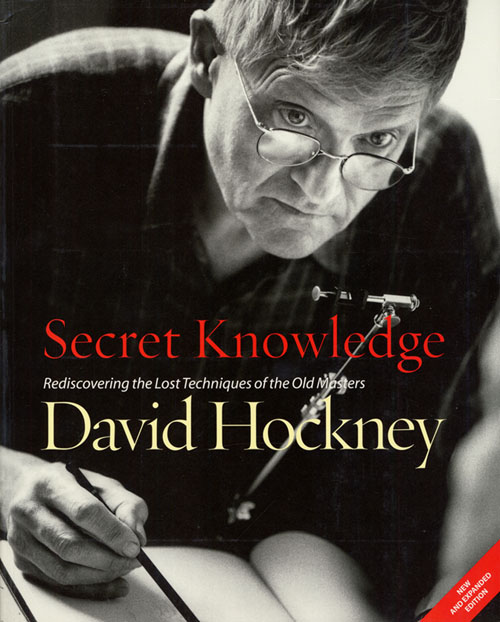
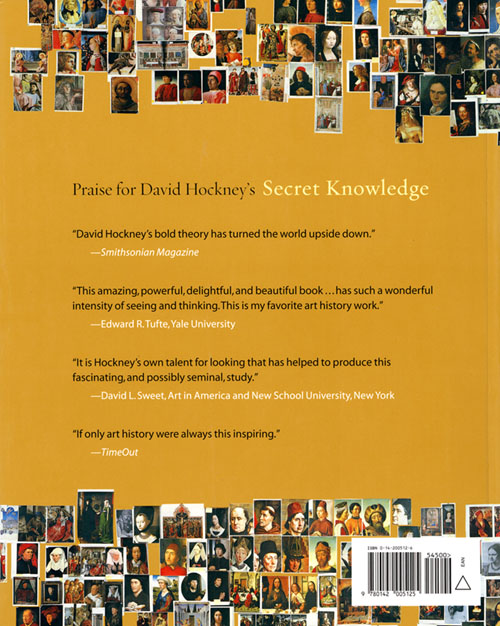

A new expanded edition of David Hockney's Secret Knowledge: Rediscovering the Lost Techniques of the Old Masters was recently published, with a quote for the back cover from my review of the original edition at this website .

 "The Look of It"
By Virginia James Tufte, from Pieces: Embroidered by Memory
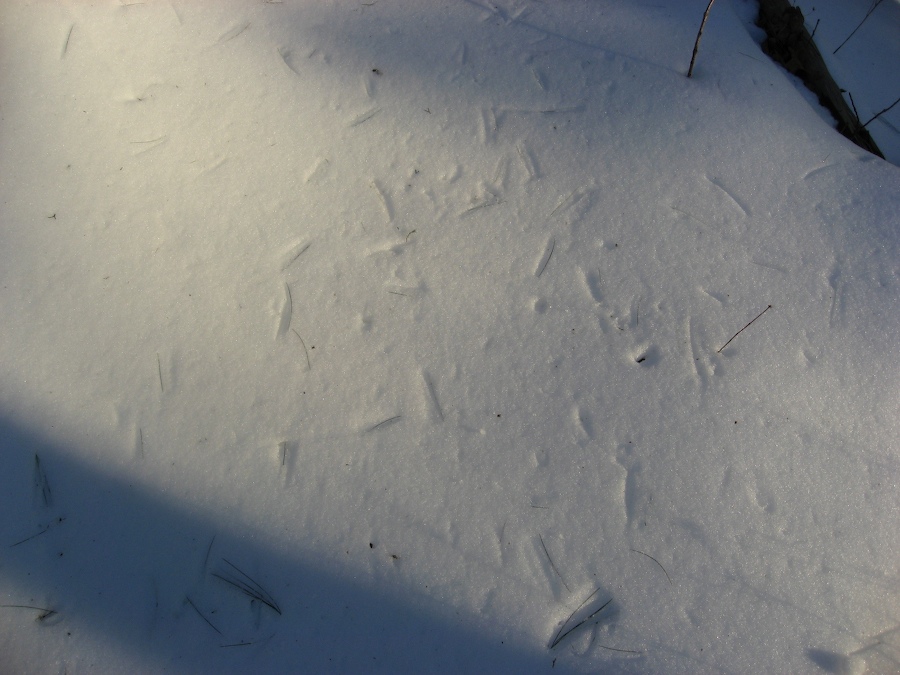
When Edward Rolf Tufte, our son, was five or six, just after we moved into the house we built in Phoenix, his father, Edward E. Tufte, a civil engineer, equipped the youngster with rather fancy drawing materials and tools--T-square, geometrical templates, assorted pencils, pens, inks, and paper. I remember ERT asked for some "grap paper." At first he had a very small child-size chair and a good-sized table with the legs sawed off to the proper height. As he grew taller, he had a special junior-size drawing board with legs, and a desk. These were next to the big green chalkboard that covered about half of one wall in his room and provided space for drawing as well as working out long math problems or the intricacies of English grammar, sometimes with the help of one or the other of his
parents.
One day when I was emptying the wastebaskets, I happened to notice a crumpled drawing lying on the top of the wastebasket from his room. I smoothed it out, liked the look of it, and laid it on my desk. My Royal portable typewriter was sitting on the desk, in its carrying case with the lid open, and later that day I picked up the drawing and tucked it behind a bracket inside the lid. It stayed there unnoticed for I don't know how many years, perhaps twenty or thirty. I probably came upon it when I was about to get rid of the manual typewriter a few years after I had bought a Smith-Corona electric portable. By the time I mailed the drawing to ERT, as I recall, he was teaching at either Princeton or Yale. Some years later I saw the drawing, beautifully framed, in his living room, and he told me that his wife (graphic design Professor Inge Druckrey) had liked the look of it and taken it to a framer.
As to how old he was when he made the drawing--and threw it away--I would guess six but I don't know exactly. I still like the look of it, no matter what the age of the artist.
"The Look of It"
By Virginia James Tufte, from Pieces: Embroidered by Memory
When Edward Rolf Tufte, our son, was five or six, just after we moved into the house we built in Phoenix, his father, Edward E. Tufte, a civil engineer, equipped the youngster with rather fancy drawing materials and tools--T-square, geometrical templates, assorted pencils, pens, inks, and paper. I remember ERT asked for some "grap paper." At first he had a very small child-size chair and a good-sized table with the legs sawed off to the proper height. As he grew taller, he had a special junior-size drawing board with legs, and a desk. These were next to the big green chalkboard that covered about half of one wall in his room and provided space for drawing as well as working out long math problems or the intricacies of English grammar, sometimes with the help of one or the other of his
parents.
One day when I was emptying the wastebaskets, I happened to notice a crumpled drawing lying on the top of the wastebasket from his room. I smoothed it out, liked the look of it, and laid it on my desk. My Royal portable typewriter was sitting on the desk, in its carrying case with the lid open, and later that day I picked up the drawing and tucked it behind a bracket inside the lid. It stayed there unnoticed for I don't know how many years, perhaps twenty or thirty. I probably came upon it when I was about to get rid of the manual typewriter a few years after I had bought a Smith-Corona electric portable. By the time I mailed the drawing to ERT, as I recall, he was teaching at either Princeton or Yale. Some years later I saw the drawing, beautifully framed, in his living room, and he told me that his wife (graphic design Professor Inge Druckrey) had liked the look of it and taken it to a framer.
As to how old he was when he made the drawing--and threw it away--I would guess six but I don't know exactly. I still like the look of it, no matter what the age of the artist.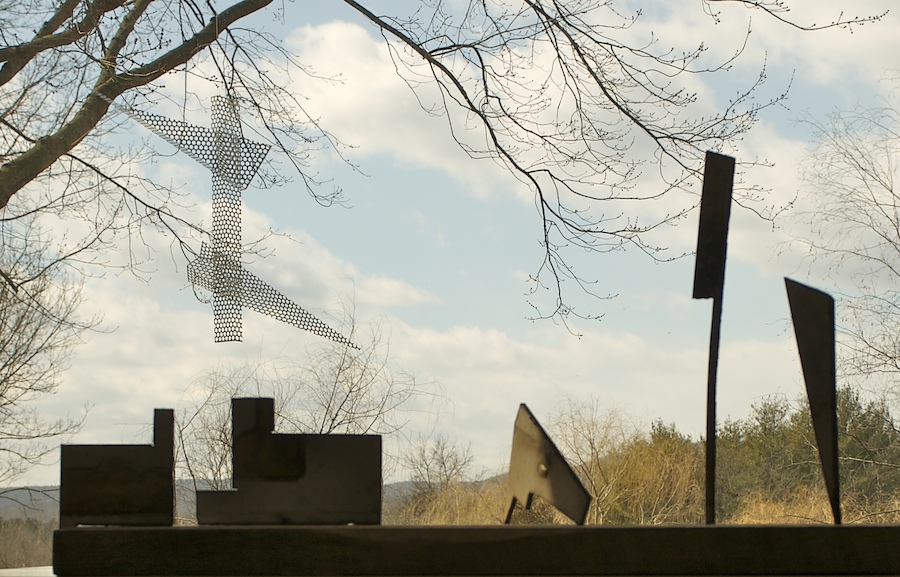
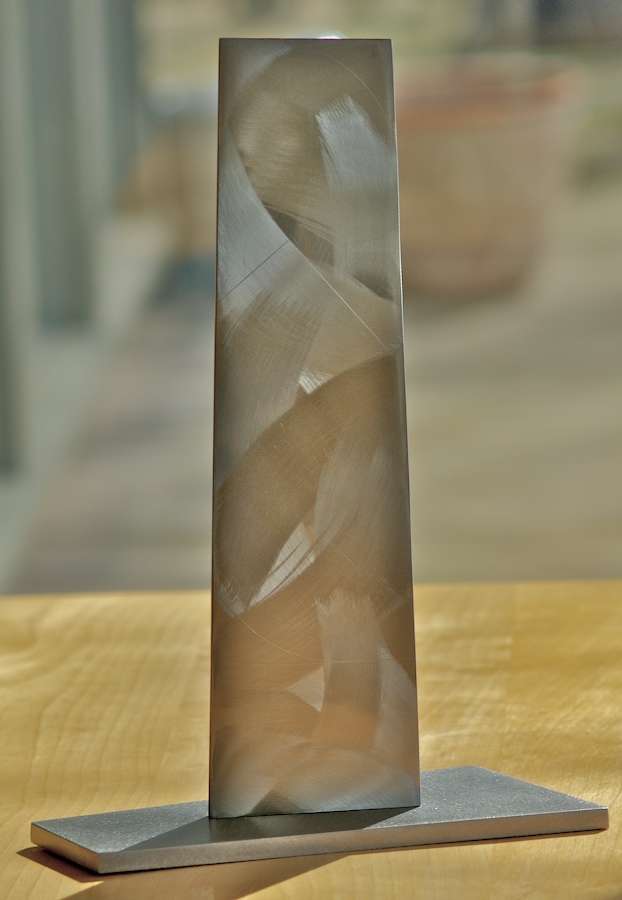
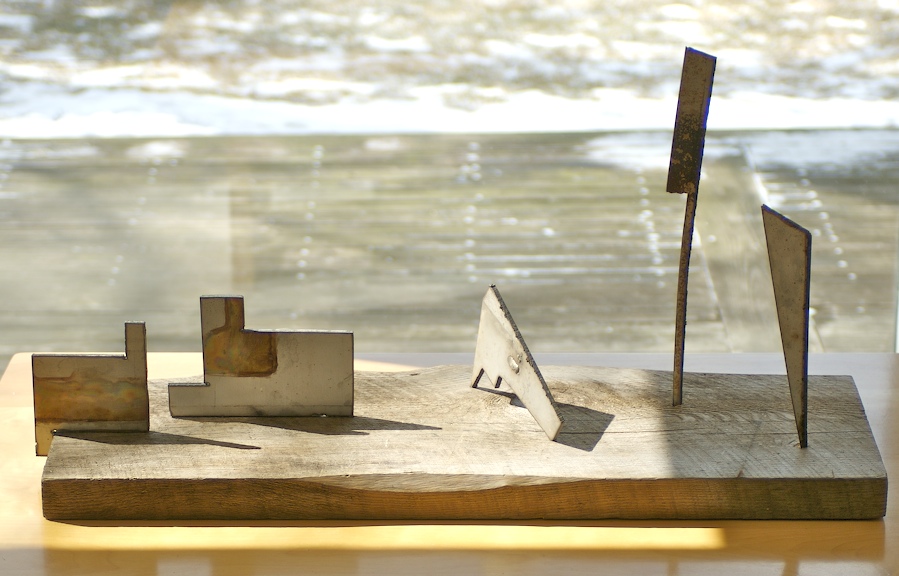 Next a stainless steel piece, asymmetric and tranquil.
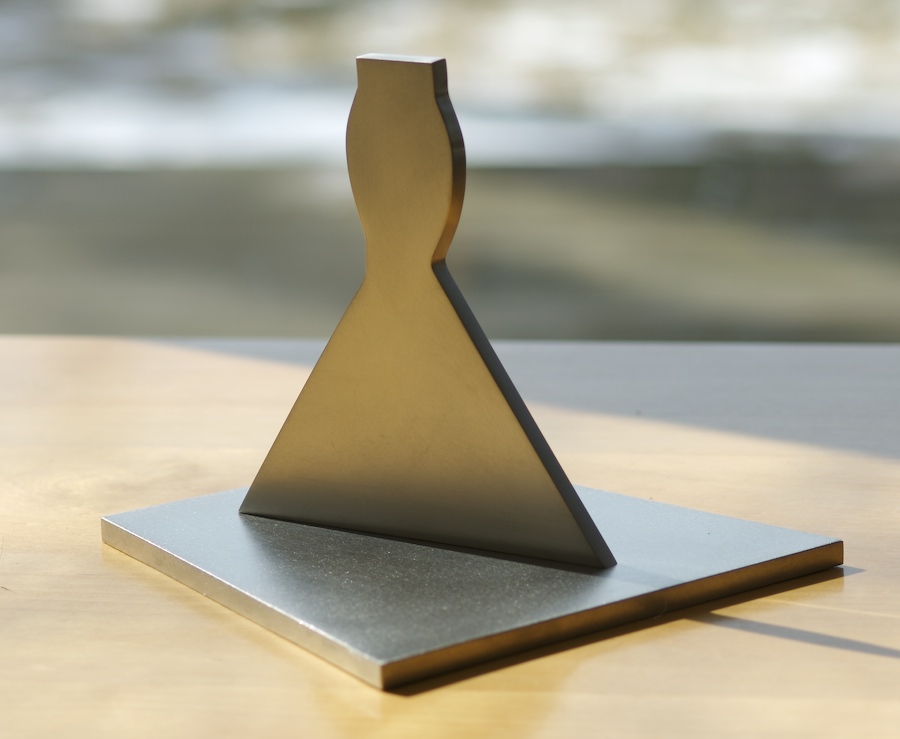
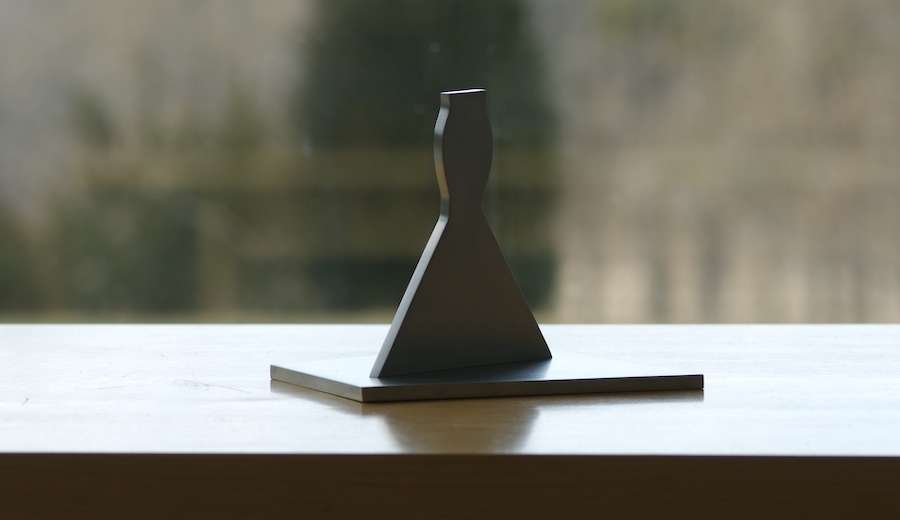
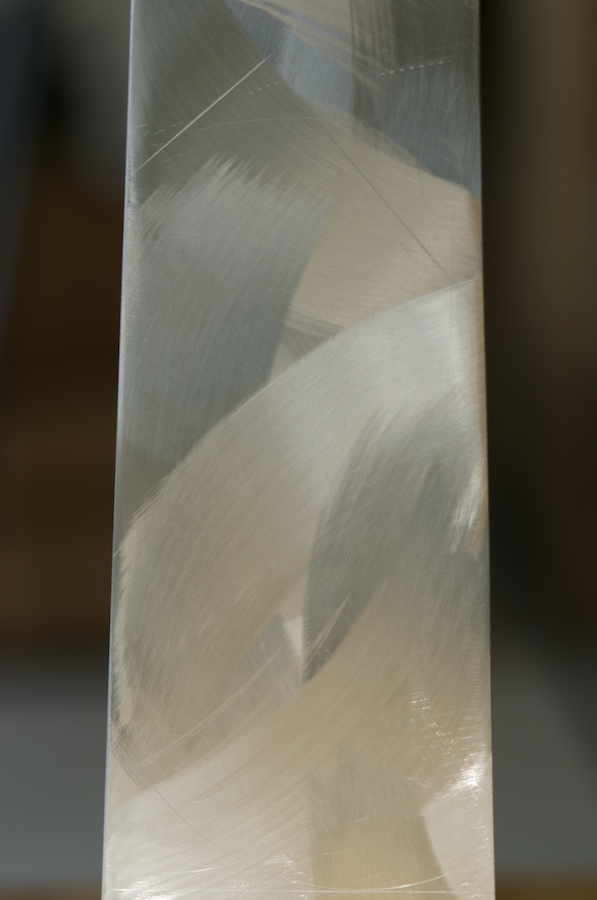
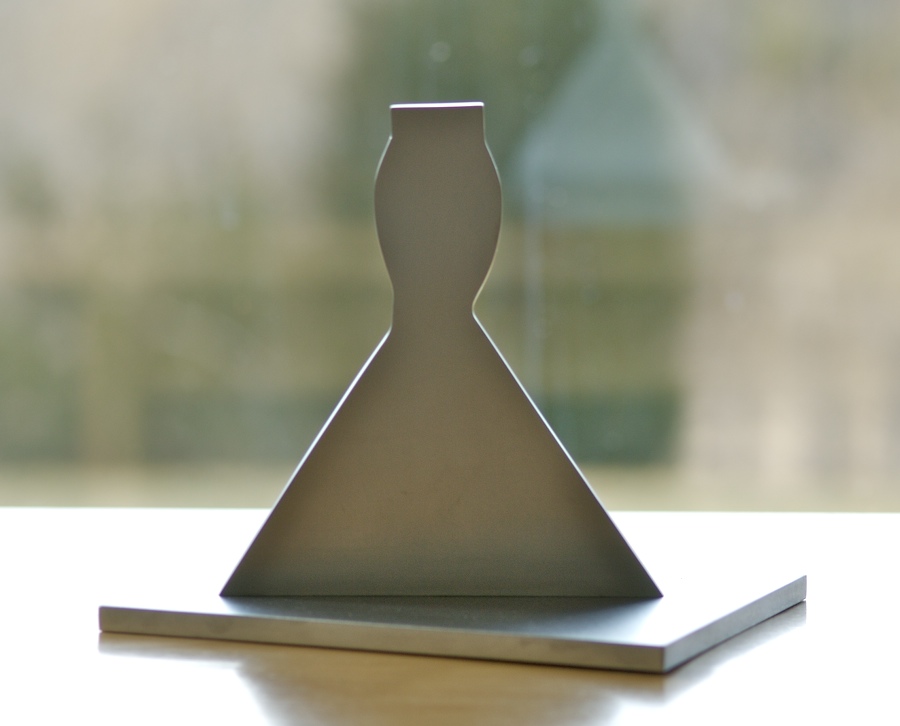 In the third piece, shown below, the vertical stainless steel plane is engraved and also scribed with lines and curves on both sides.
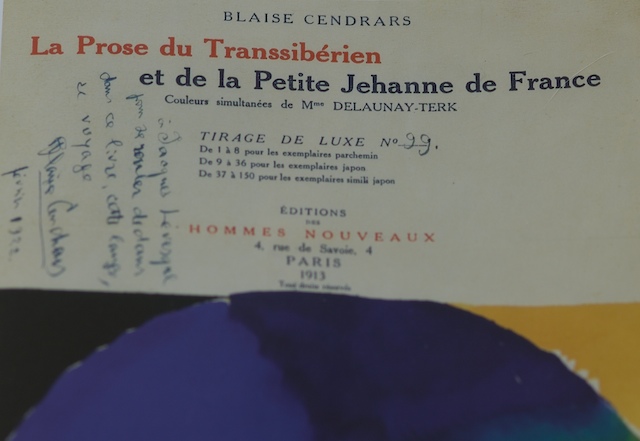
 The gestures in the metal grinding recall the color gestures in Sonia Delaunay's work, although Nature's colors from sunlight on stainless steel are richer and and more subtle.
Richard Feynman's famous conclusion to his report on the shuttle Challenger accident, which arose again in the Columbia accident, is "For a successful technology, reality must take precedence over public relations, for Nature cannot be fooled."